The Role of Typography in Modern Web Design
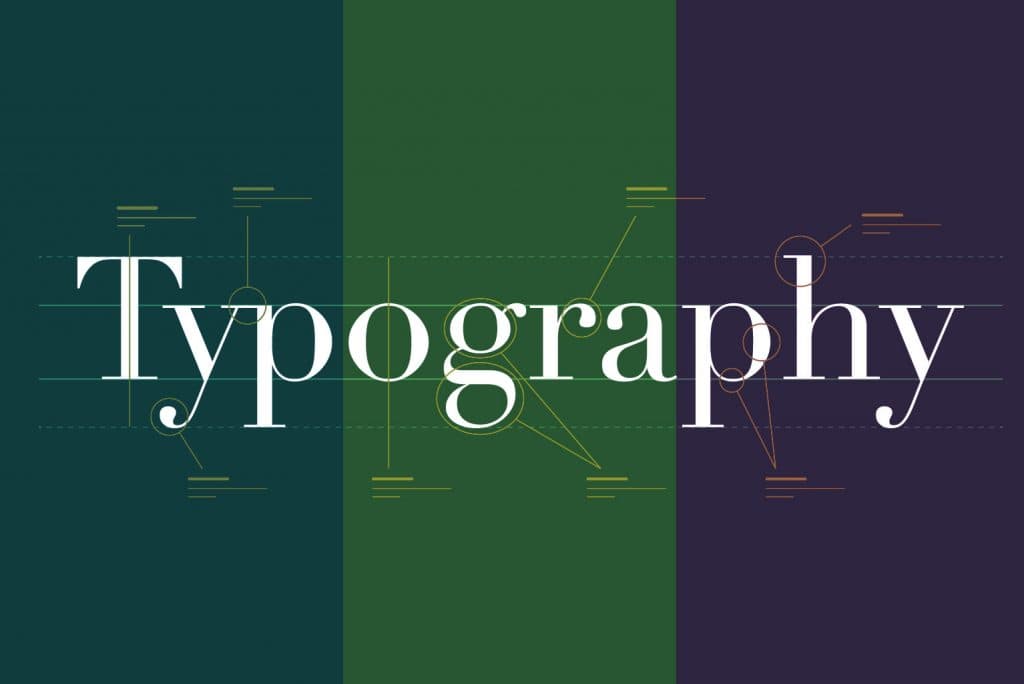
Typography is more than just choosing fonts for your website. It’s about how text communicates with the user and contributes to the overall design of the website. In web design, typography plays a key role in readability, accessibility, and creating an aesthetically pleasing user experience. Let’s dive deeper into why typography matters and how it influences web design.
1. Typography and Readability
Good typography ensures that your text is easy to read and understand. The right combination of font size, line spacing, and contrast can drastically improve how users consume content. For example, smaller text with poor line spacing can make your content difficult to read, while clear, well-spaced text invites readers to stay longer on your page.
2. Creating a Visual Hierarchy
Typography also helps in establishing a visual hierarchy on your webpage. By choosing different font sizes, weights, and styles, you can guide the user’s eye and emphasize key pieces of content. For example, headings in bold or larger fonts immediately signal to the user that these sections are important. This helps in structuring content in a way that is both aesthetically pleasing and functional.
3. Enhancing Brand Identity
Every font has its own personality. When you choose typography that aligns with your brand, it helps to communicate the tone and values of your business. Whether you’re going for a clean and modern look, or a more vintage, playful vibe, the right typography reinforces your brand’s identity. It’s not just about aesthetics—it’s about creating a cohesive message.
4. Typography and Accessibility
For websites to be truly inclusive, typography must support accessibility. This means choosing fonts that are legible and ensuring that users with visual impairments can access content with ease. High contrast between text and background, larger font sizes, and the use of web-safe fonts that render across different devices can improve accessibility and make sure everyone can read your content.
5. The Impact of Web Fonts
Web fonts have revolutionized typography on the web. Services like Google Fonts and Adobe Fonts have made it easier for web designers to access a wide range of beautiful fonts. The key here is selecting web fonts that work well across all devices and browsers. While stylish fonts are important, they must not sacrifice readability and load speed. The right choice ensures a fast, smooth experience for the user.
6. Combining Fonts for a Dynamic Look
One of the most effective ways to elevate your web design is by combining fonts. Combining contrasting typefaces (such as a serif font with a sans-serif) creates a dynamic, visually appealing effect. However, the key is to maintain balance—too many fonts can confuse the user and detract from the content. The best approach is to use two or three complementary fonts to create contrast while maintaining readability.
7. Typography and Mobile Design
With more users browsing websites on mobile devices, typography plays an even bigger role in ensuring that your content is legible and enjoyable to read on smaller screens. Text should be scalable to accommodate different screen sizes, and font sizes should adjust for readability on mobile devices. Mobile-first design ensures that typography works well on both small and large screens.
Conclusion
Typography is an essential aspect of modern web design. It impacts everything from readability and accessibility to brand identity and user experience. Whether you’re designing a simple blog or a complex e-commerce website, choosing the right typography can make or break your design. Remember, good typography doesn’t just look good—it helps users navigate your site with ease and enjoy the content you’re presenting.