
Artificial intelligence (AI) is no longer a future idea. It is already inside the phone in your pocket, the videos you are recommended, the fraud checks on your bank card and the assistant that answers your questions. In the last few years, generative AI tools that write, draw and summarise have brought it to ordinary people and small businesses. Here is what that really means.
What is AI, really?
AI describes computer systems that do tasks which normally need human intelligence: understanding speech, recognising pictures, finding patterns in data, and now writing text and creating images. Most of it is machine learning, where a system learns from many examples instead of following fixed rules.
AI in everyday life
You probably used AI several times today without noticing:
- Smart assistants: Siri, Google Assistant and Alexa turn your voice into actions.
- Recommendations: Netflix, YouTube and Spotify suggest what to watch and play based on your habits.
- Phones and cameras: Face unlock, photo enhancement and live translation all use AI.
- Smart homes: Thermostats and security cameras learn routines to save energy and warn you of problems.
AI in industry
In business, AI works best on tasks with lots of data and clear patterns:
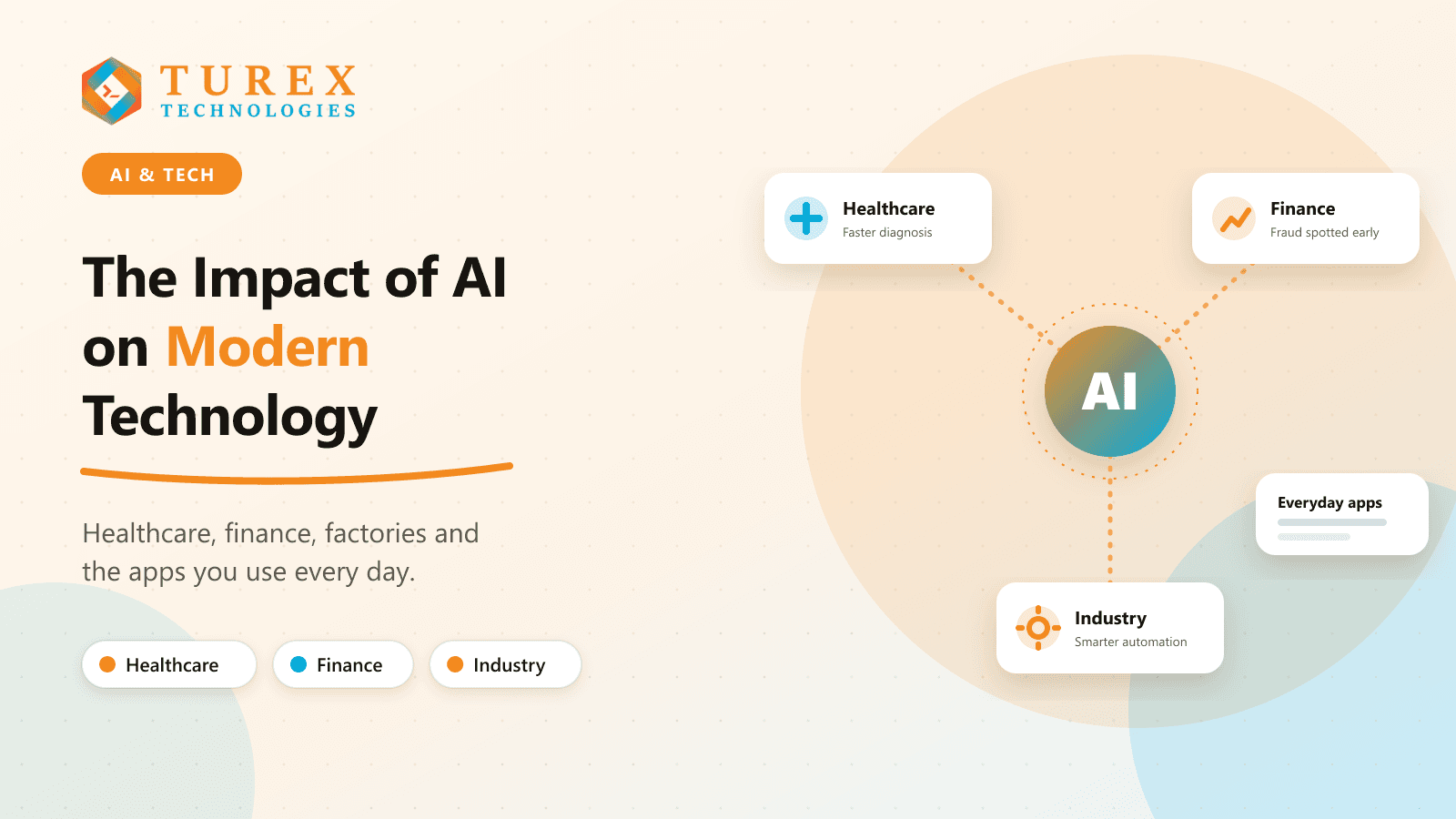
- Healthcare: AI helps analyse scans and medical records faster, supporting doctors to reach decisions earlier.
- Finance: Banks and mobile money providers use machine learning to flag unusual transactions and reduce fraud.
- Manufacturing and logistics: Automation and prediction help plan deliveries, reduce waste and keep machines safe.
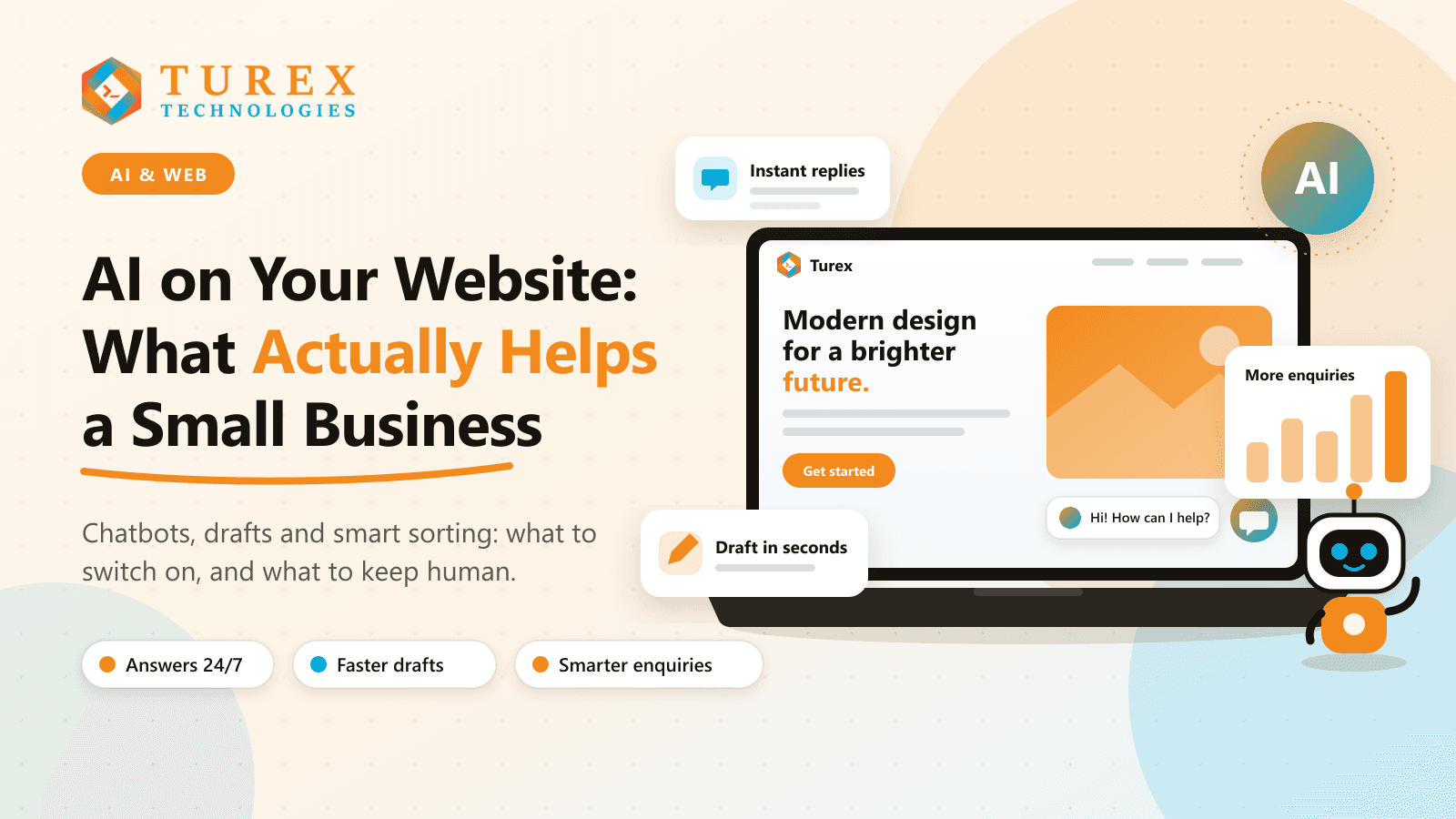
- Marketing and customer service: Chat assistants answer common questions at any hour, and tools help draft content for people to review.
What it means for Ghana
Ghana's Ministry of Communication, Digital Technology and Innovations has spoken about the National AI Strategy and the One Million Coders programme, which aim to grow local skills so young Ghanaians can build solutions, not only use them. For small and medium businesses, the opportunity is practical: faster customer replies, better use of data and less time lost on repetitive work.
Using AI wisely
AI is powerful, but it is not magic. It can be confidently wrong, it can reflect bias in the data it learned from, and it needs good care with private information. A simple approach works well:
- Pick one problem worth solving, such as answering the same customer questions every day.
- Keep a person in charge of prices, promises and complaints.
- Protect customer data; do not paste private details into tools you do not control.
- Measure the result for a month, then decide what to add next.
The future of AI
Expect AI to become quieter and more useful: built into the tools you already use, working across text, images and voice, and handling more multi-step tasks for you. The businesses that benefit most will be the ones that learn early, stay careful and keep people at the centre.
Curious how this applies to your website? Read our practical guide on what actually helps a small business, or talk to Turex Technologies about a website that is ready for what comes next.